A hook, so small, yet mighty still,
It bends the yarn to match the will.
From tangled skeins, a beauty grows,
A dance of knots in fluid rows.
Each stitch a whisper, soft yet strong,
A melody where hands belong.
In every loop, a tale is spun,
Of warmth and care, of love hard-won.
With every chain and slip so neat,
A work of heart becomes complete. Through time and hands, you intertwine,
An ode to crochet—forever mine
A Beginner’s Guide to Crochet
Crochet is a simple yet rewarding craft where you use a single hook to loop yarn into fabric. Unlike knitting, which requires two needles, crochet is built one stitch at a time, making it an approachable skill for beginners.

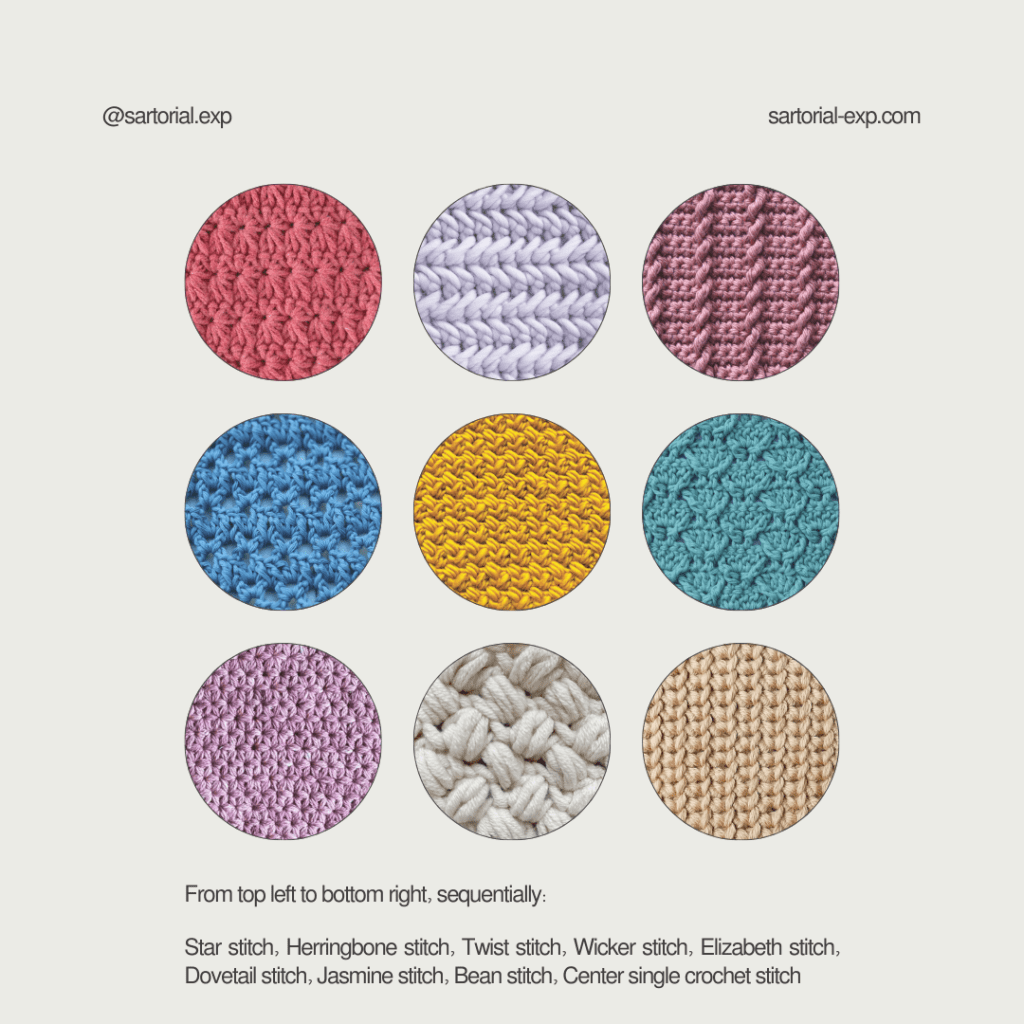
With just a few basic stitches—such as the chain, single crochet, and double crochet—you can create scarves, blankets, bags, and even intricate lacework. The process is rhythmic and meditative, offering relaxation and creativity in equal measure. Whether crafting for yourself or gifting handmade treasures, crochet is an art that connects generations and provides endless possibilities for expression. There are over 150 crochet stitches, here are a few examples:
Here are some little-known facts about crochet that might surprise you:
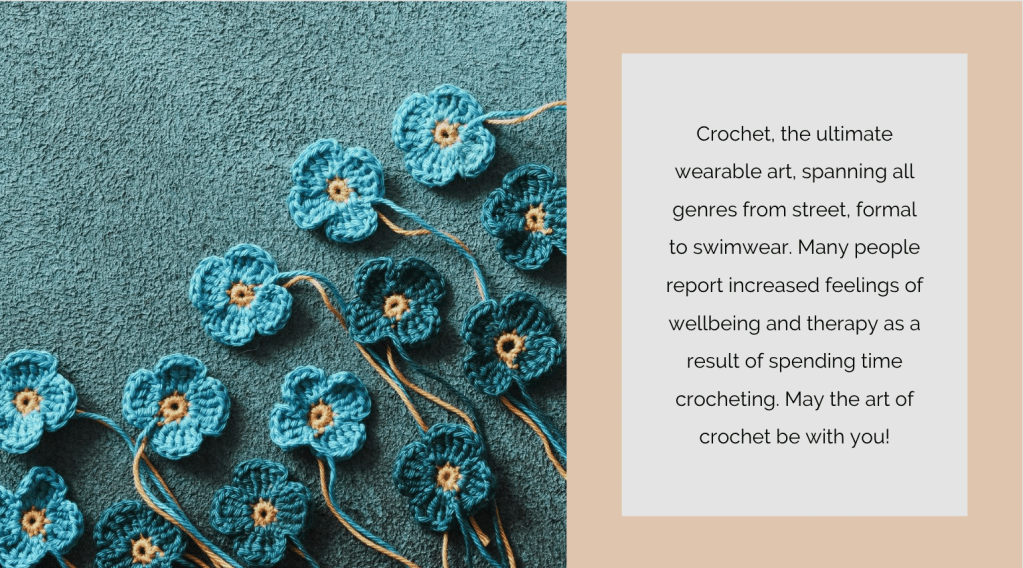
Crochet Can Reduce Stress and Anxiety – Studies suggest that crocheting (like knitting) has meditative properties, helping to reduce stress, improve mood, and even lower blood pressure.
No Machines Can Truly Crochet – Unlike knitting, which can be replicated by machines, crochet is an entirely hand-crafted skill. This is because each stitch relies on the previous one in a way that machines cannot replicate.
Crochet Doesn’t Have Ancient Origins – Unlike knitting, which dates back centuries, crochet as we know it today likely emerged in the 19th century. There is little evidence of crochet before this period, making it a relatively modern craft.
It Was Once a Status Symbol – In the 1800s, crochet was considered a skill of the elite. High-society women would create intricate lacework to showcase their refinement and artistry.
Crochet Helped During Wartime – During both World Wars, crochet played an essential role in the war effort. People crocheted blankets, socks, and bandages for soldiers on the front lines.
“Threaded dreams, woven reality”
-Unknown

“Crochet has morphed from homespun to hot”
– Janet Bennett Kelly
Crochet Remains in Fashion for several reasons, blending tradition, sustainability, and versatility in a way that continually adapts to modern trends. Here’s why crochet never goes out of style:

- Timeless Craftsmanship – Crochet pieces are handmade, showcasing artistry and skill. The intricate details and unique textures make each piece a wearable work of art, ensuring it remains desirable across generations.
- Sustainability and Slow Fashion – With an increasing focus on eco-friendly and ethical fashion, crochet aligns with the principles of slow fashion. Many crochet enthusiasts use natural, recycled, or organic fibers, promoting sustainable wardrobes that prioritize quality over quantity.
- Versatility Across Seasons – Crochet adapts to all seasons and styles. From airy lace tops in summer to chunky, cozy sweaters in winter, the craft provides year-round fashion choices.
- Customization and Individuality – Unlike mass-produced clothing, crochet allows for custom-fit garments, unique patterns, and personalized designs, making it appealing to those who love one-of-a-kind fashion.
- Vintage Revival and Bohemian Influence – Fashion often draws inspiration from the past, and crochet has deep roots in vintage and bohemian aesthetics. Crochet has seen recurring popularity from the 1960s hippie movement to 90s grunge and modern festival wear.
- Handmade Appeal and Emotional Connection – Whether bought from an artisan or made by hand, crochet pieces often carry sentimental value. The craftsmanship and time invested in each creation make them special and cherished for years.
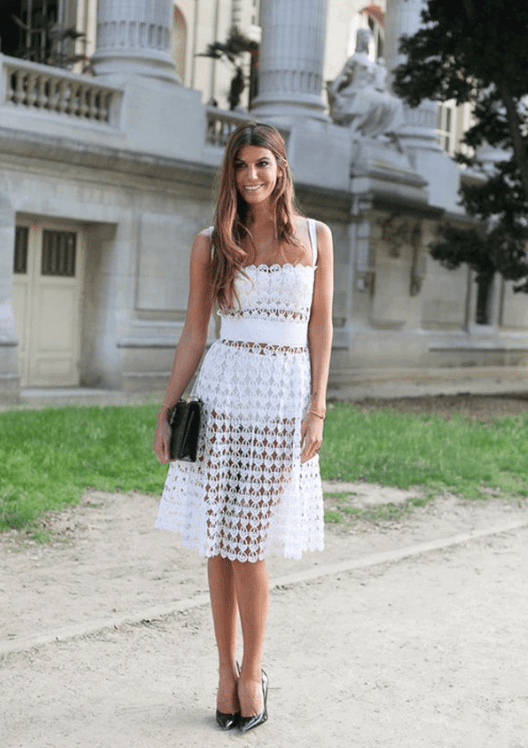
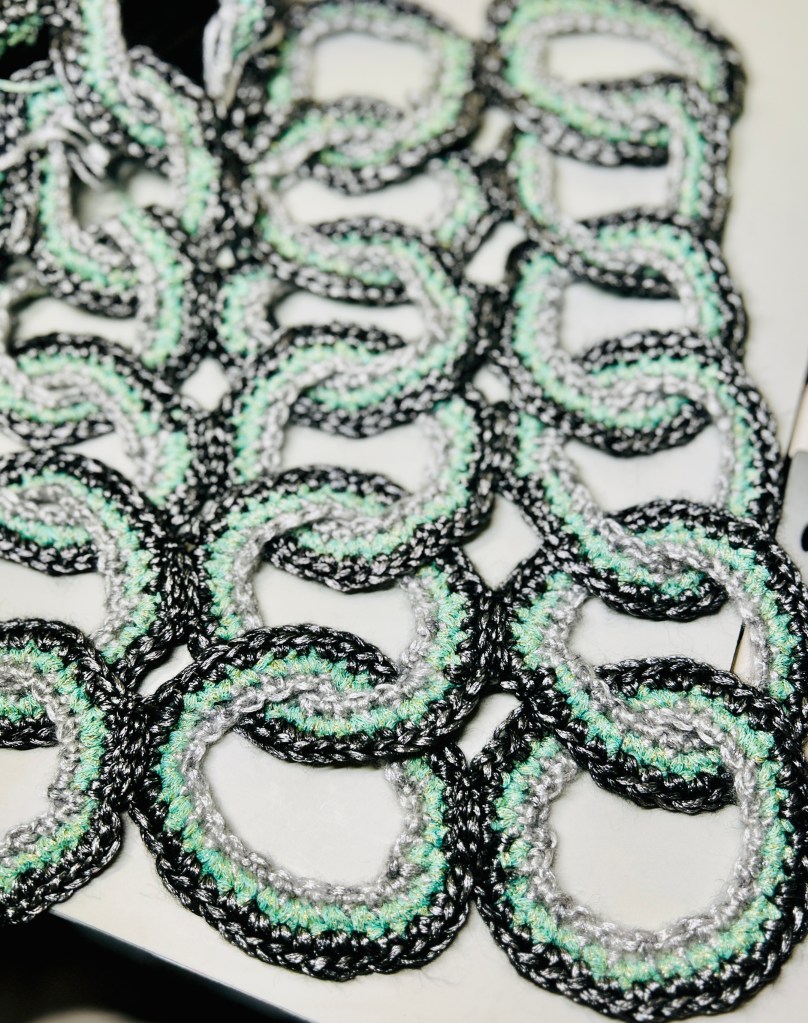
- Runway to Everyday Appeal – High-end fashion designers frequently incorporate crochet into collections, demonstrating its adaptability to both couture and everyday wear. From dresses to handbags, crochet regularly graces runways before making its way into mainstream fashion.
“Crocheting acts as a mental and physical therapy and there are many beautiful things that are created in the process”.
– Today’s Crochet World

Here are some common techniques in crochet that add texture, dimension, and creativity to projects:
- Basic Crochet Stitches – The foundation of all crochet projects includes basic stitches like chain stitch (ch), single crochet (sc), double crochet (dc), and treble crochet (tr). These stitches can be combined in countless ways to create patterns and textures.
- Amigurumi (3D Crochet) – This technique involves crocheting small stuffed figures, often used for toys, dolls, and cute decorative pieces. Amigurumi is usually done in continuous rounds to create seamless shapes.
- Tunisian Crochet – A hybrid between knitting and crochet, Tunisian crochet uses a long hook to hold multiple loops on the hook, creating a dense, textured fabric that’s ideal for blankets, scarves, and sweaters.
- Beaded Crochet – Beads are added to crochet stitches to create intricate patterns and embellishments, often used in jewelry, accessories, and decorative pieces.
- Filet Crochet – A lace-like crochet technique that uses open and closed stitches to create patterns, often forming pictures, geometric designs, or letters in a grid-like structure.
- Irish Crochet – A highly detailed and decorative technique that creates raised floral and lace motifs, commonly used in vintage and wedding fashion.
- Tapestry Crochet – Involves carrying multiple strands of yarn and switching colors to create intricate patterns and designs, often used for bags, rugs, and wall hangings.
- Broomstick Lace Crochet – A technique that uses a large knitting needle or broomstick handle along with a crochet hook to create delicate, lacy stitches.
- Overlay Crochet – A technique where additional layers of stitches are added on top of an existing crochet fabric to create 3D effects and colorful geometric patterns.
- Corner-to-Corner (C2C) Crochet – A method of crocheting diagonal blocks, starting from one corner and working towards the opposite corner, commonly used for blankets and graph-based designs.

 Sartorial
Leave a comment