

“Life is a party. Dress for it.”
– Audrey Hepburn
Prom season is upon us, so let’s review some helpful sartorial advice for dressing up for this quintessential dance party.
Prom, short for “promenade” (to walk slowly along a street or path, usually where you can be seen by many people) is a formal dance event typically held at the end of the high school year, mainly for juniors and seniors. It serves as a rite of passage for many American teenagers, symbolizing the transition from adolescence to adulthood.
The History of Prom in the United States
Origins in the 19th Century – The concept of prom dates back to the late 1800s, inspired by European debutante balls. Early versions were formal banquets held by colleges to instill etiquette and social grace in students.
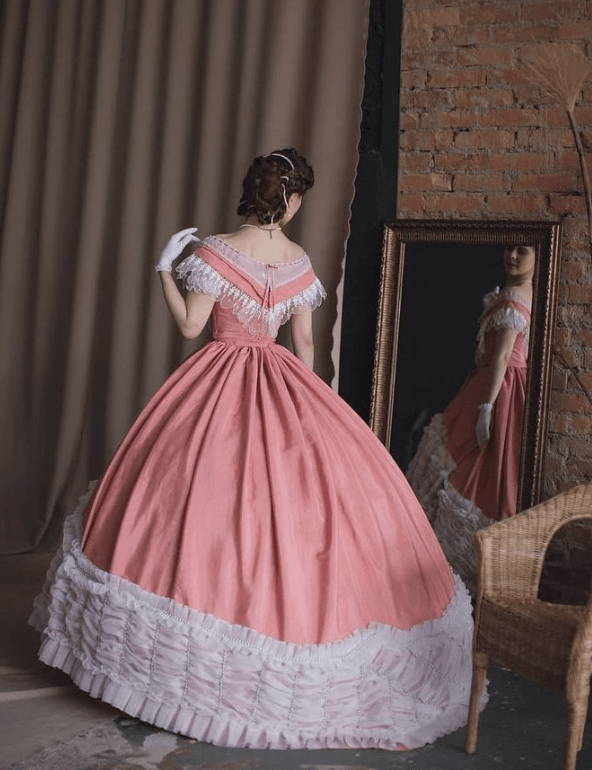
Expansion to High Schools – By the 1920s and 1930s, prom had evolved into a high school tradition, giving teenagers an opportunity to practice social skills and celebrate their achievements.
Post-War Boom (1950s-1960s) – Following World War II, the economic boom allowed more families to participate in prom, and it became a major cultural event. Schools began holding proms in decorated gymnasiums, and formal attire became a staple.
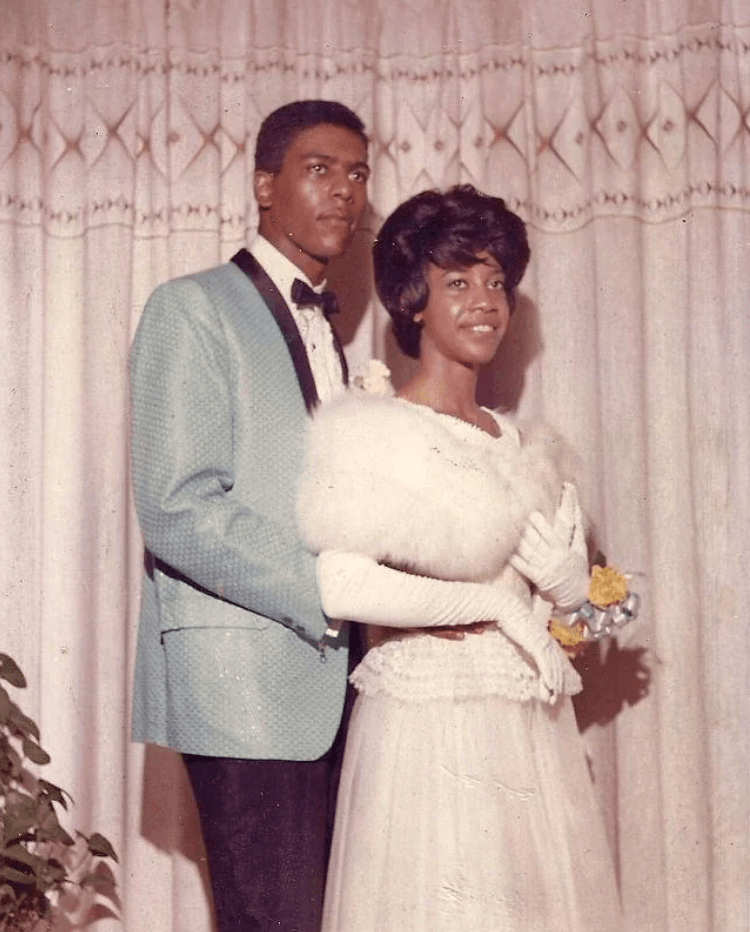
Integration and Social Change (1970s-1980s) – As society changed, so did prom. The Civil Rights Movement led to the integration of proms, and the feminist movement saw a shift in traditional gender roles, allowing more independence for attendees.
Prom Goes Extravagant (1990s-Present) – By the late 20th and early 21st century, prom had transformed into an elaborate affair. Limousines, designer dresses, and extravagant venues became common, influenced by media portrayals of the event.

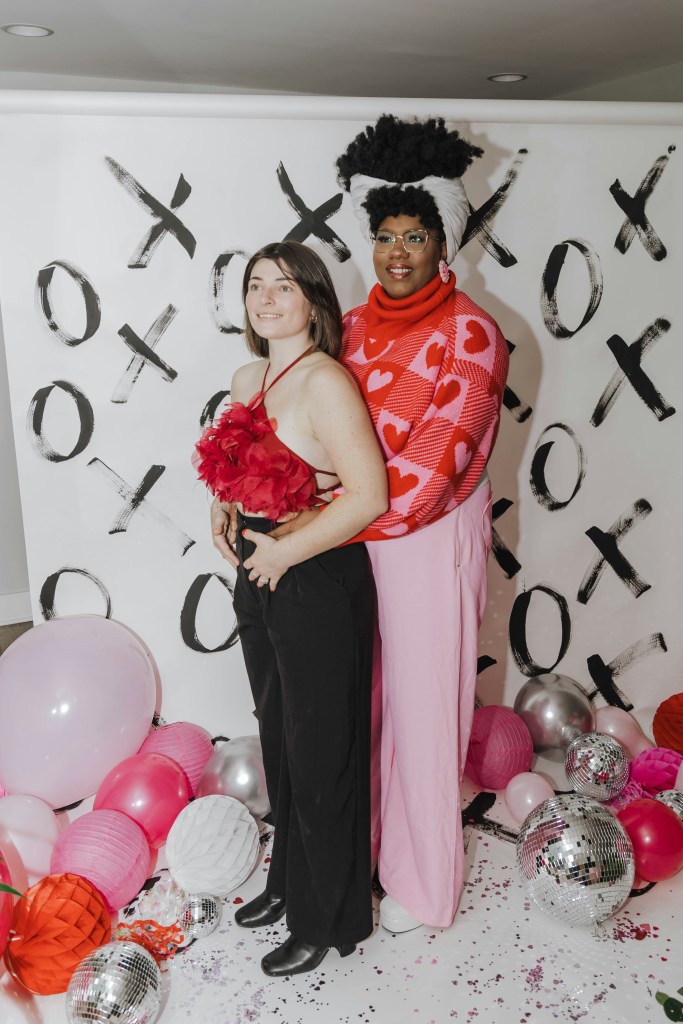
Modern-Day Prom Trends – Today, proms are diverse and inclusive, with students personalizing their experiences. Alternative proms, LGBTQ+ friendly proms, and eco-conscious prom trends reflect the changing values of contemporary youth.
Common Prom Dress Alterations:
Prom dress alterations can make a huge difference in ensuring the perfect fit and style for a special night. Whether you’re customizing a vintage gown, tailoring a new dress, or adding personal touches, alterations can transform an off-the-rack dress into a unique, flattering masterpiece.
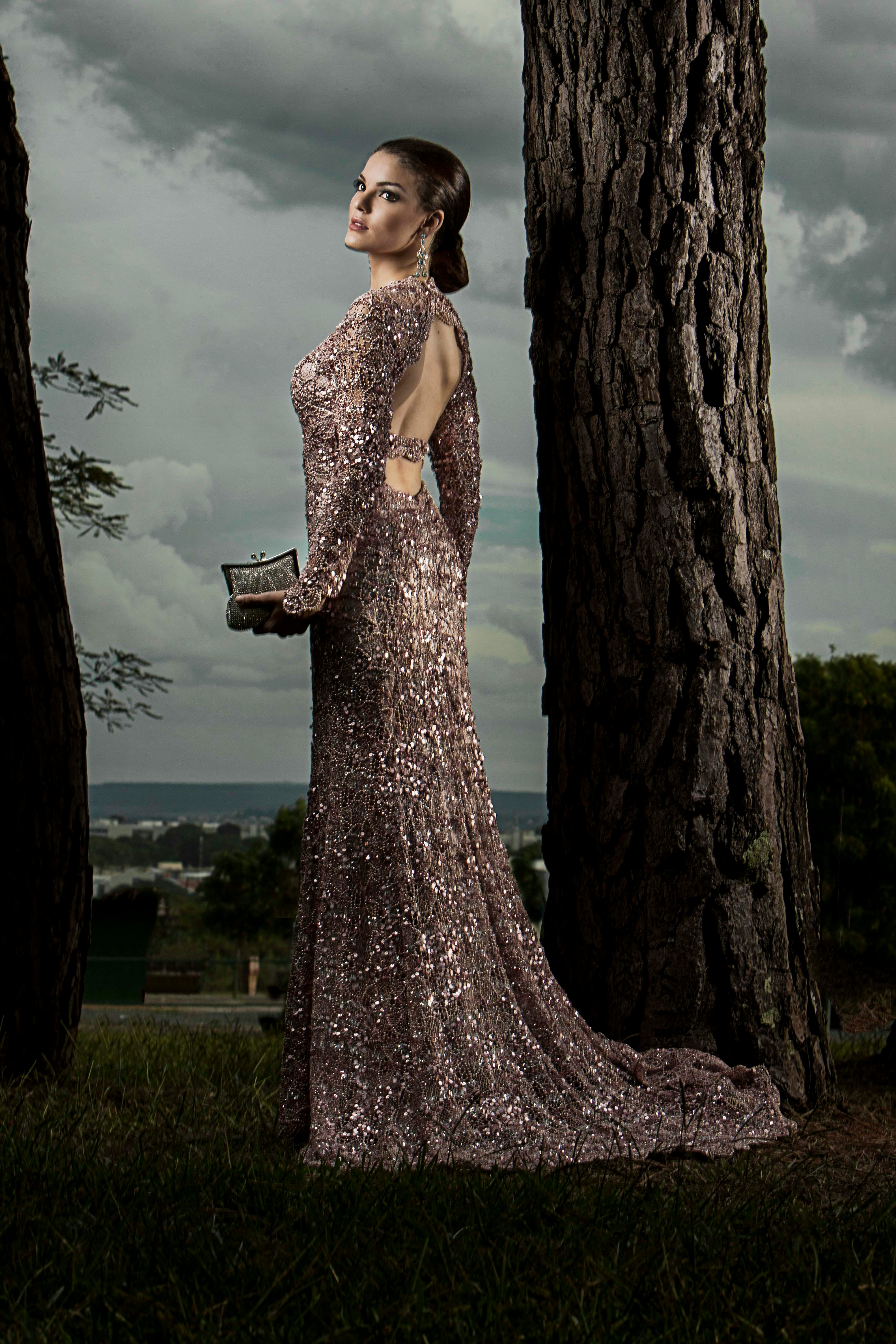
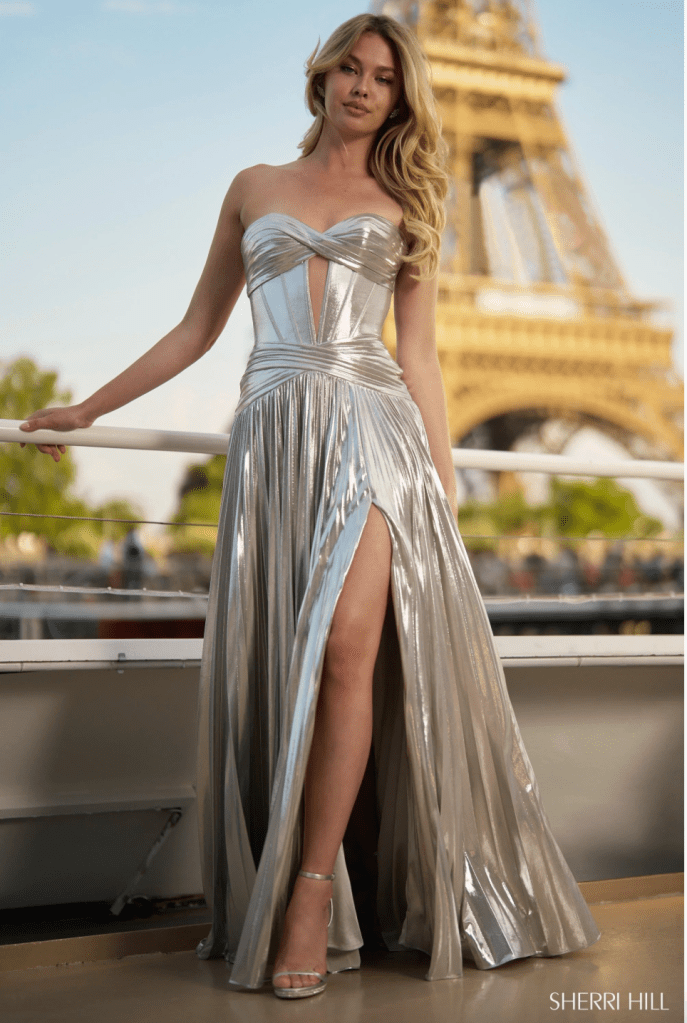
Hemming the Length – Many prom dresses come in standard lengths that are too long. Tailors can shorten the dress to match your height and preferred heel height. For example, in the image below the length of the dress is perfectly grazing the ground for a tall model who is also wearing heels. Make sure to bring your exact shoes that you will wear with your dress to your dress fittings! Your tailor will measure the desired hem length with your shoes at your first fitting, and the second fitting you will check the alterations that were done based on the measurements at the first fitting.
Taking in or Letting Out the Dress – A dress should fit snugly but comfortably. If it’s too loose or tight, adjustments can be made at the seams to achieve a tailored fit.
Adjusting the Straps or Sleeves – Straps that are too long or sleeves that are loose can be tightened to improve comfort and ensure the dress stays in place throughout the night.
Adding a Bustle – For dresses with long trains, a bustle can be added to lift the fabric, making it easier to move and dance.
Customizing the Neckline – Some choose to alter the neckline for a more modest or dramatic look, such as adding lace, beading, or reshaping it.
Lining or Adding Support – Built-in cups, boning, or extra lining can enhance comfort and structure, especially for strapless dresses.
Embellishments and Personalization – Beading, sequins, embroidery, or lace can be added to make the dress uniquely yours.
Prom Suit Alterations: Ensuring the Perfect Fit
A well-tailored suit can make all the difference at prom, ensuring confidence and comfort throughout the night. Unlike off-the-rack suits, custom alterations help enhance fit, creating a polished and stylish look. Here we will separate the different types of alterations into Jacket, Pants, and / or shirt and vest alterations:
Jacket Adjustments

Sleeve Length – The sleeves should end just above the wrist bone, allowing about ¼ inch of the shirt cuff to show. A tailor can shorten or lengthen the sleeves for a proper fit.
Taking in the Sides – If the jacket feels too boxy, a tailor can slim the waist to create a more tapered and fitted silhouette.
Shoulder Adjustments – While difficult and expensive, correcting shoulder fit is crucial if the jacket is too wide or narrow. For this reason, it’s important to buy blazers that are already the correct shoulder size, and other, simpler alterations can be done, like taking in the waist or shortening the sleeves.
Pants Alterations

Hemming / Shortening the Length – Pants should lightly break over the shoes, avoiding excess fabric pooling at the ankles. A tailor can adjust the length based on preferred style—full break, slight break, or no break.
Waist Adjustments – The waist should fit snugly without a belt. Tailors can take in or let out the waistband for better comfort.
Tapering the Legs – Pants can be slimmed down for a more fitted silhouette, ensuring they complement the jacket.
Shirt and Vest Adjustments

Sleeve and Body Fit – Dress shirts should fit well around the arms and torso. Tailors can take in excess fabric for a cleaner, more defined look.
Vest Adjustments – A vest should hug the torso without pulling or sagging. A tailor can refine the fit for better layering under the jacket.
Final Touches

Choosing the Right Tie or Bowtie – Ensure your neckwear complements your suit and is properly tied.
Polished Shoes – Well-fitted and clean shoes complete the look.
Confidence is Key – A well-tailored suit enhances both appearance and confidence, making prom a memorable experience.
Comfort is also Key – When your suit is custom tailored to your body, it should also feel comfortable – especially for dancing with your prom date!

 Sartorial
Leave a comment